01The yen
In 2012 one US dollar bought about ¥80. In September 2026 it buys about ¥158. A building priced the same in yen now costs a dollar buyer roughly half. If the yen strengthens during your holding period, that adds to your return; if it weakens further, it reduces it.
02Scale
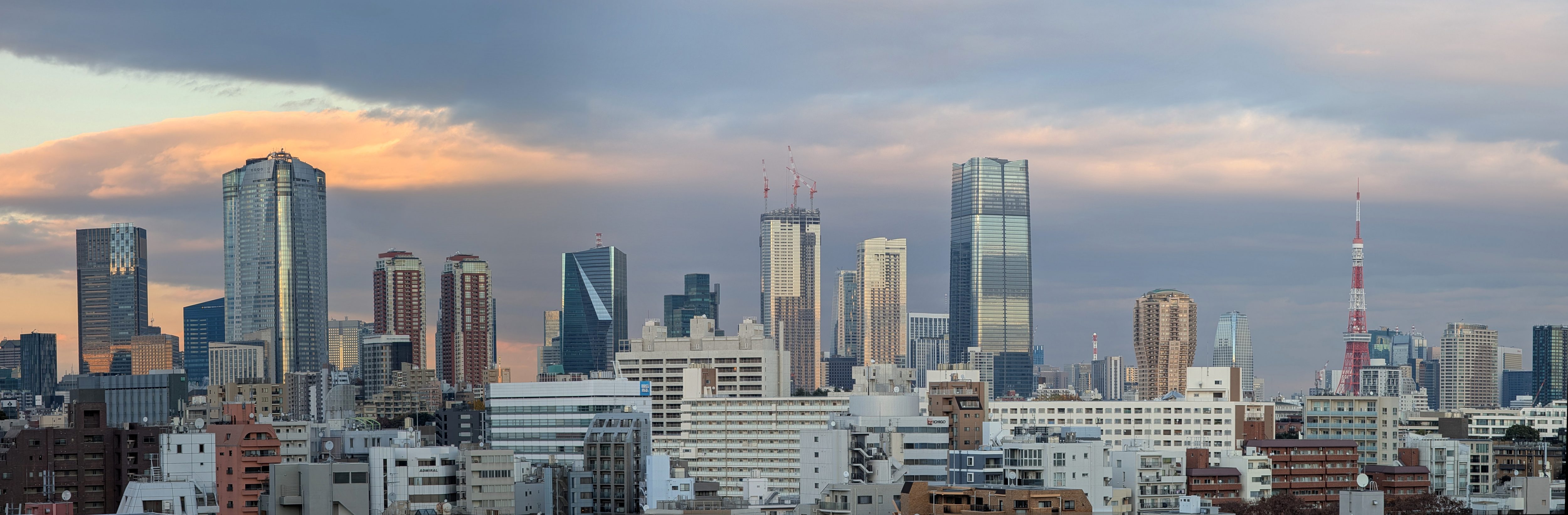
About 37 million people live in Tokyo and the three prefectures around it. That is one of the largest urban economies in the world, and a deep pool of tenants and future buyers for central-Tokyo property.
03Ownership
Foreigners can buy land and buildings in Japan outright, with the same freehold title as Japanese owners. No residency, visa or local partner is required to own.
04Transparency
Every property in Japan is recorded in a public title registry, which anyone can inspect. Transactions are handled by licensed brokers and registered by judicial scriveners, under a legal system that treats foreign owners the same as local ones.
05Financing
Japanese bank loans remain priced far below US mortgage and commercial lending rates. Financed well, the gap between rental yield and borrowing cost works in your favor.
06Momentum
Tokyo land prices have risen year after year in Japan’s official land price survey since 2022, led by central wards. Capital from overseas has been a steady part of that demand.